

 Engineering
 Production automation
 Testing
 Virtual accident experience
 Innovation
 Aerospace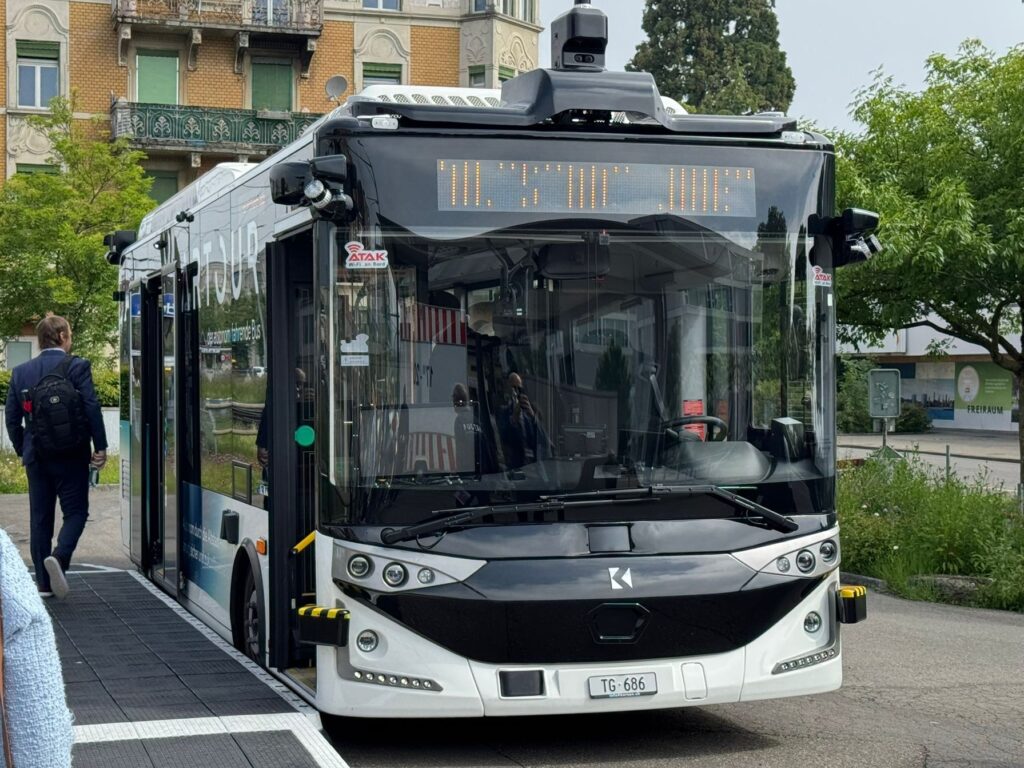
The safety of autonomous systems is not established on the road itself, but through thousands of hours of development, testing and validation. A Czech study visit to Switzerland – one of Europe’s leading pioneers in intelligent mobility – provided valuable insights into the final stage of verifying automated and autonomous mobility systems. Swiss experts demonstrated how they assess the functionality and safety of these systems under real traffic conditions. Central to this approach is the integration of simulations, digital models, testing infrastructure and the real-world operating conditions – an approach that AUREL has been developing and refining over the long term.
Switzerland Supports Autonomous Mobility at the Federal Level
Automated Driving Systems (ADS) and Cooperative, Connected and Automated Mobility (CCAM) concepts are increasingly being deployed in real-world traffic. These developments were the focus of a Swiss study visit attended by a Czech expert delegation, including AUREL representatives Robert Stoff-Riegel and Jan Ritter.
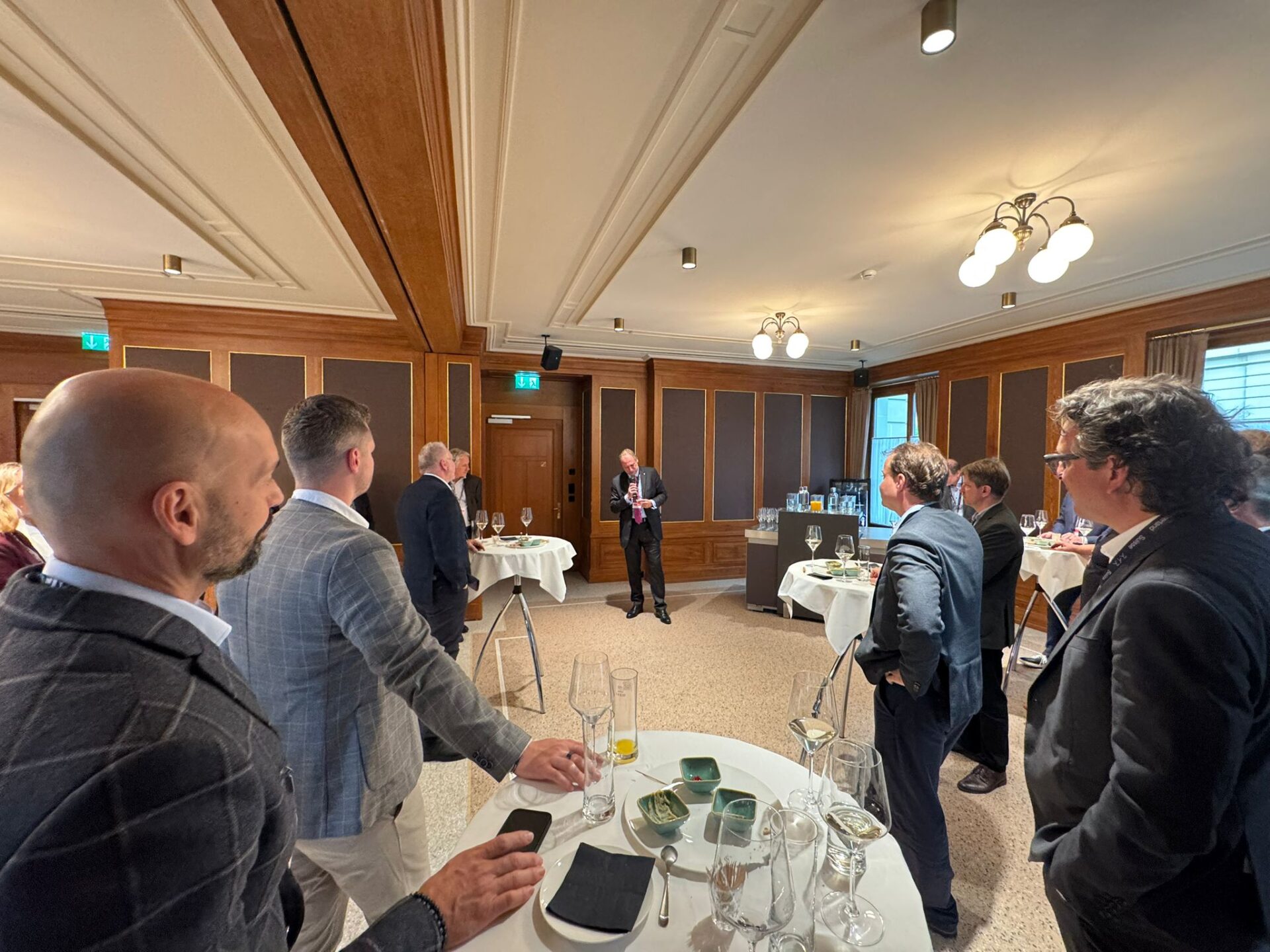
The study visit was organised with the support of the Embassy of Switzerland in the Czech Republic and Presence Switzerland, a unit of the Federal Department of Foreign Affairs (FDFA) that promotes international cooperation, innovation and the exchange of know-how between Switzerland and its partner countries. During the visit, members of the Czech delegation met with representatives of the FDFA and the Federal Roads Office (FEDRO/ASTRA), who play a key role in advancing modern mobility and the associated legislative framework.
Switzerland is among Europe’s leading countries in the validation of autonomous mobility in real-world conditions. Since March 2025, Swiss legislation has allowed SAE Level 4 vehicles to be tested outside the standard type-approval process. Instead, each vehicle and its operational concept are assessed individually, with approval is granted in stages within a defined Target Operational Domain (TODs). In addition to technical safety, the authorities evaluate how predictably, and reliably autonomous systems perform across a wide range of traffic scenarios.
From Autonomous Delivery to the Public Transport of the Future
Nineteen pilot projects are providing valuable insights for the future deployment of automated mobility, while serving as practical demonstrations of the regulatory, technical and operational aspects of introducing SAE Level 4 vehicles. At the same time, they are supporting the further development of the tools and processes needed to facilitate the transition from pilot projects to the full commercial operation of autonomous vehicles.
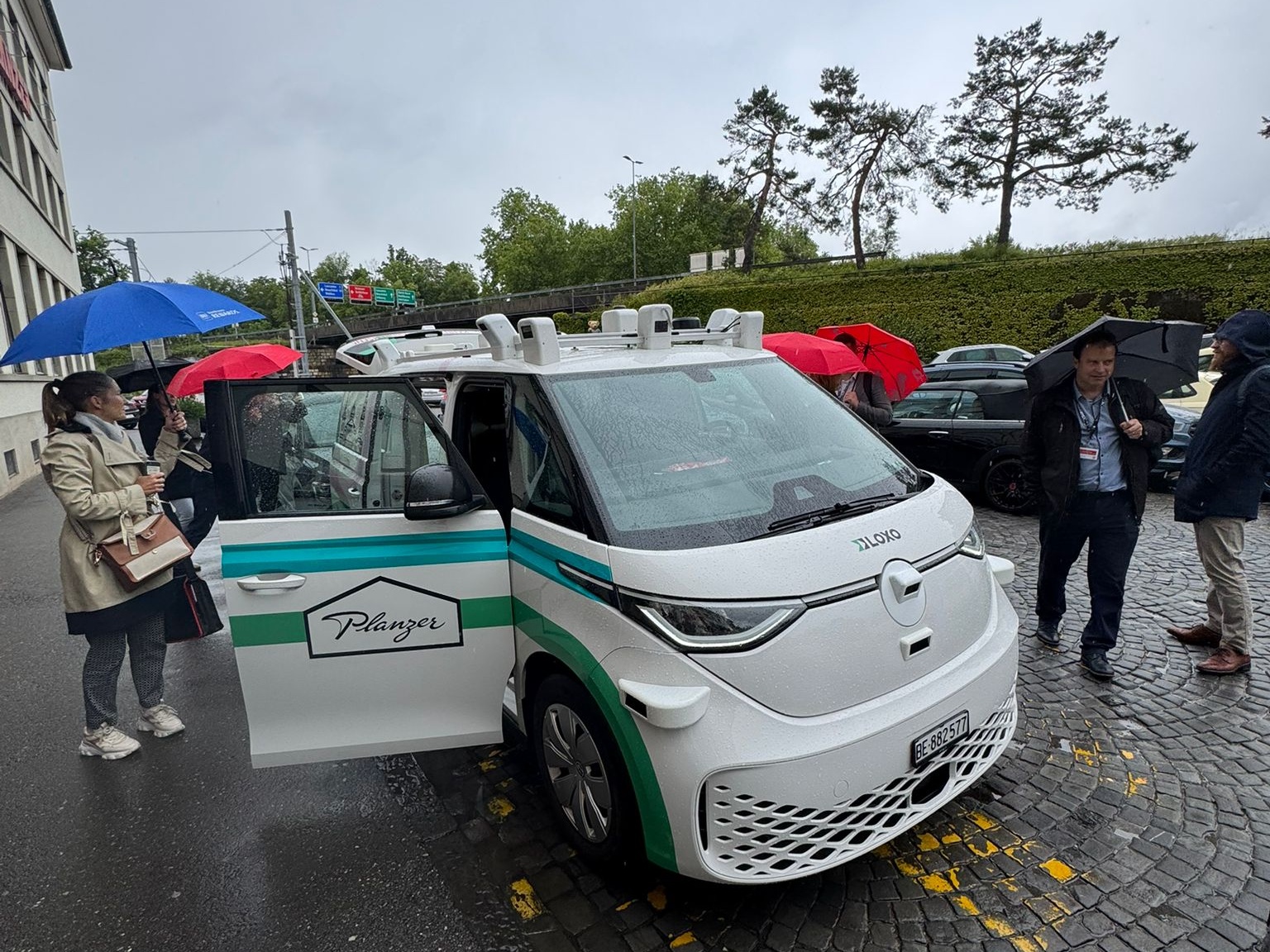
Members of the Czech delegation had the opportunity to explore several ongoing pilot projects demonstrating the practical application of autonomous mobility. One notable example of the Swiss approach in practice is a joint project by Planzer and LOXO, in which the autonomous vehicle “Mathilde” carries out last-mile parcel deliveries in Bern without a driver behind the wheel.
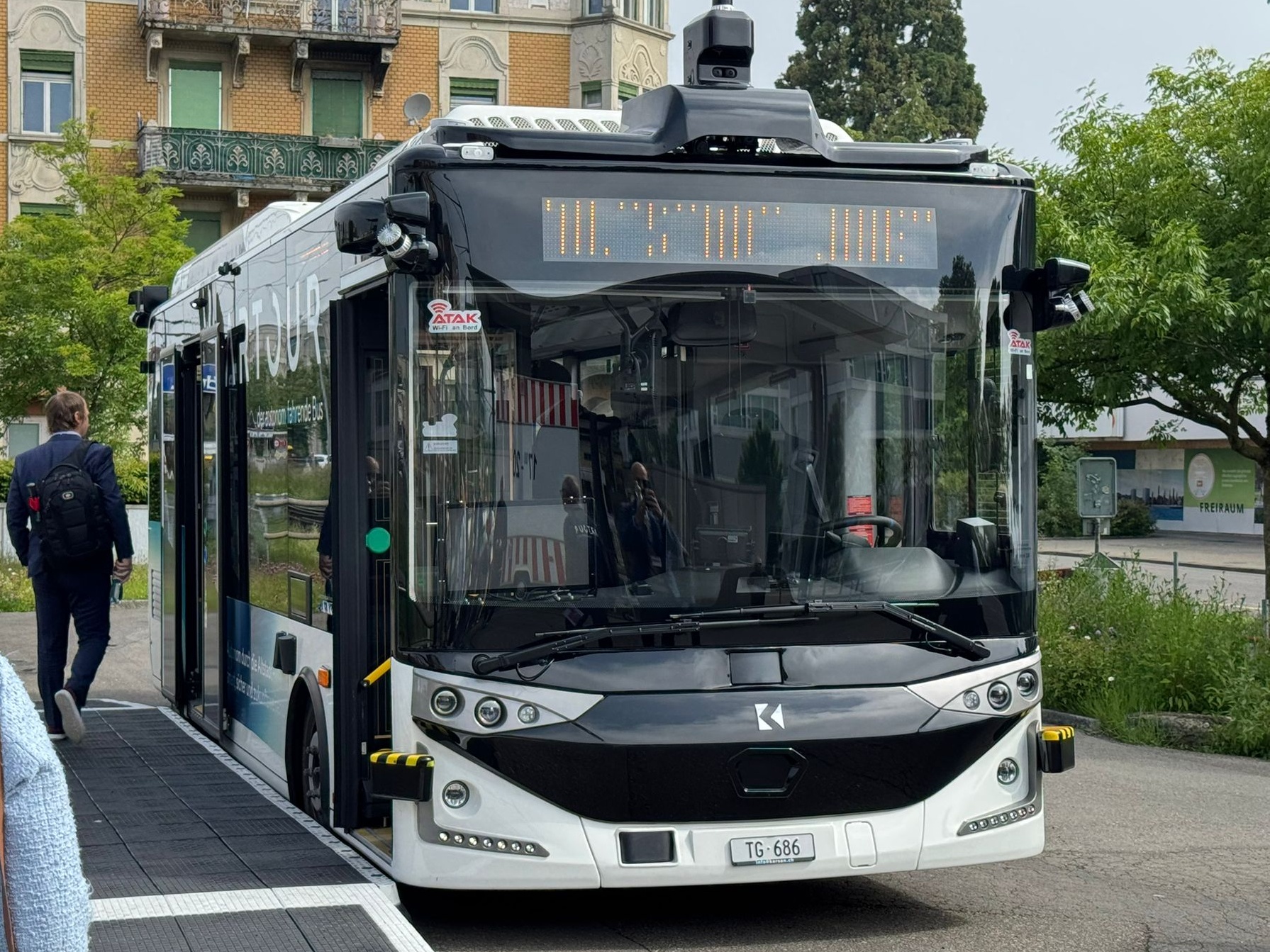
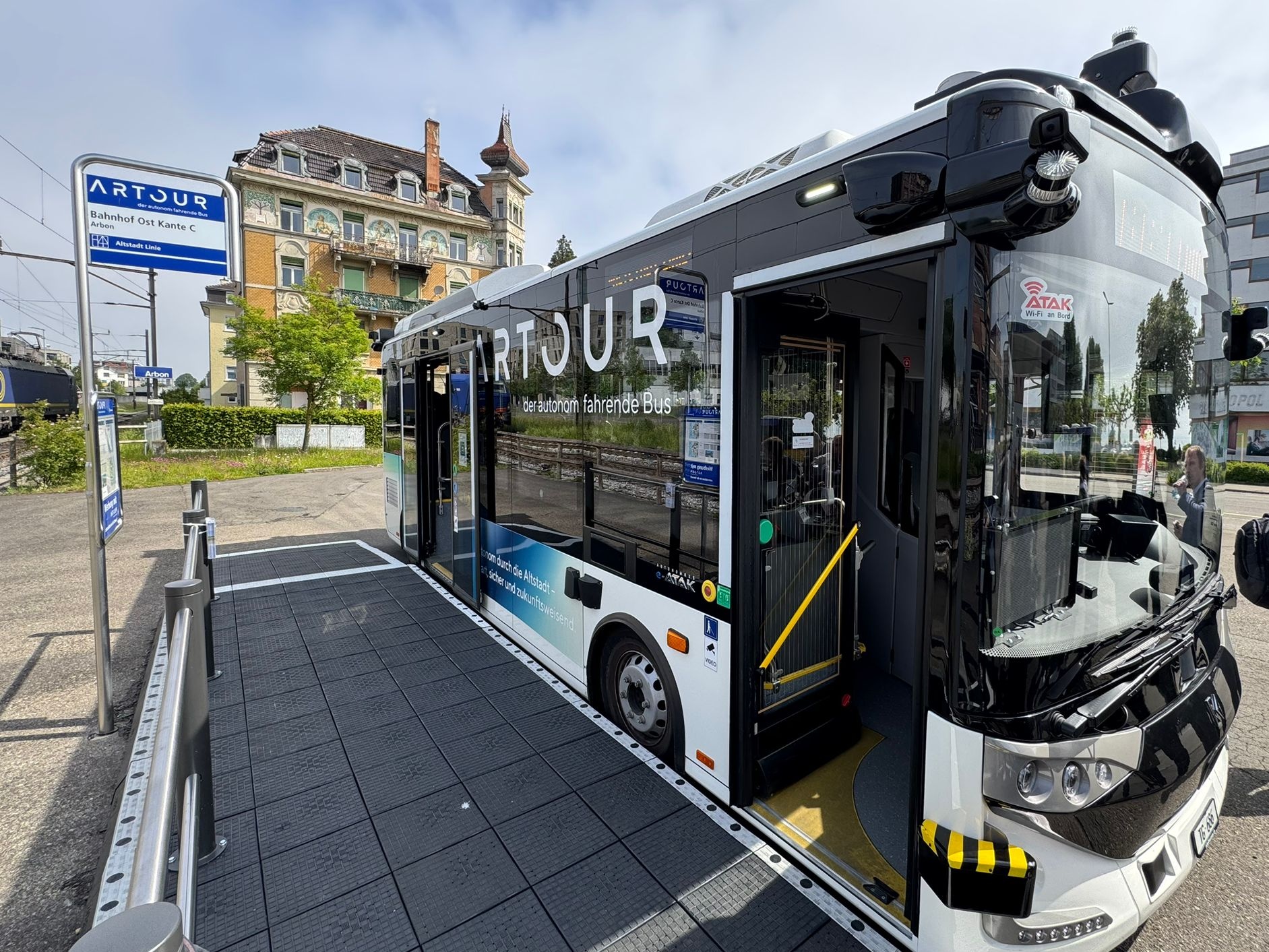
The study visit also highlighted advances in autonomous public transport. In Arbon, the SCCL (Self-Controlled City Liner) project operates ARTOUR, a fully electric autonomous bus developed by ADASTEC Corp. Measuring 8.3 metres in length and offering seating for 20 passengers, the vehicle serves routes through the town’s historic centre and is being prepared for SAE Level 4 operation with teleoperation support.
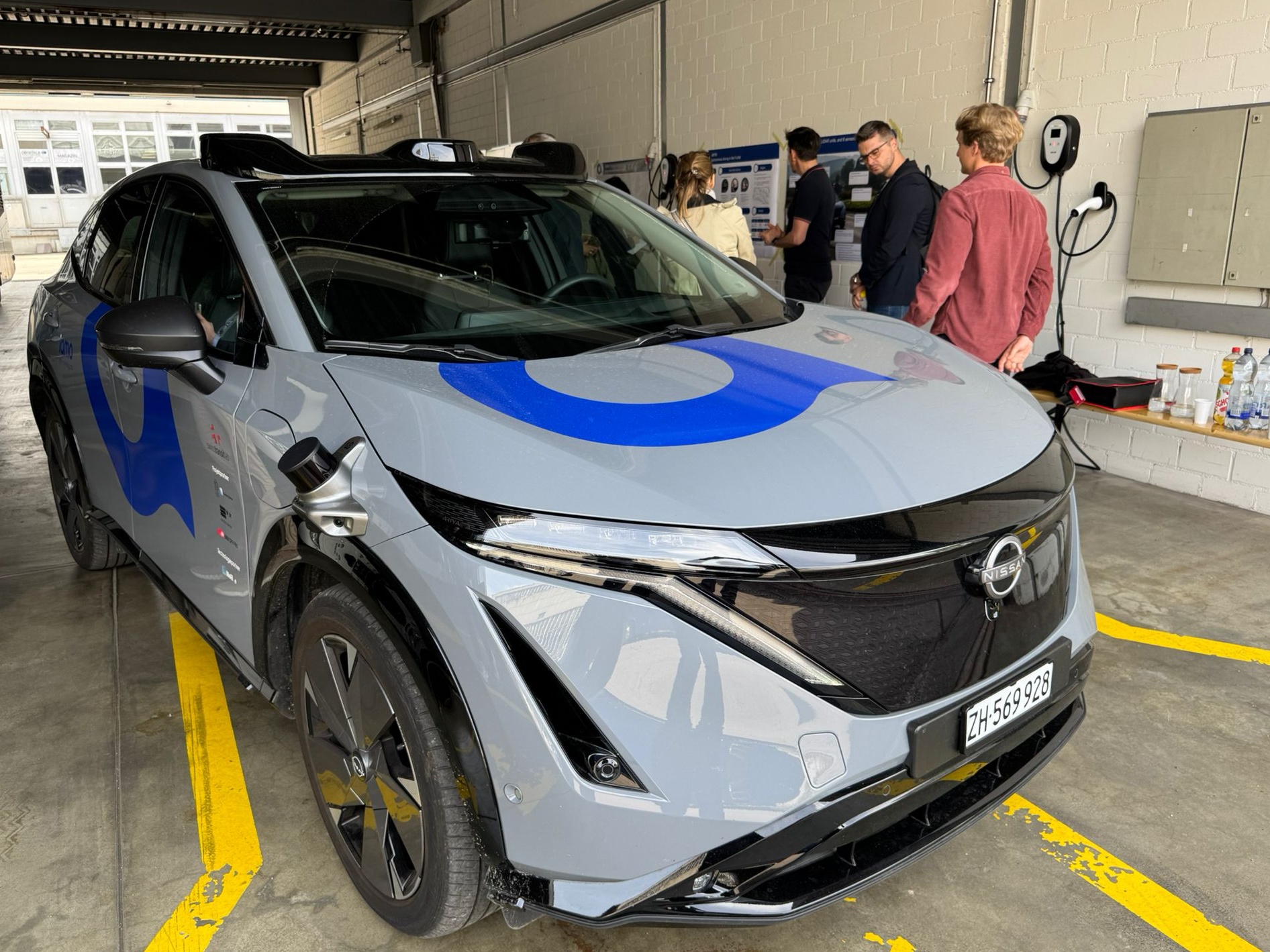
Another noteworthy project was the IAMO (Intelligent Automated Mobility) project, which is exploring the use of autonomous vehicles to provide accessible transport not only in urban areas but also in sparsely populated rural regions, where conventional scheduled public transport is often not economically viable. A common feature of all the projects presented was their strong emphasis on safety, real-world testing under normal traffic conditions, and the integration of remote supervision as an essential component of autonomous mobility systems.
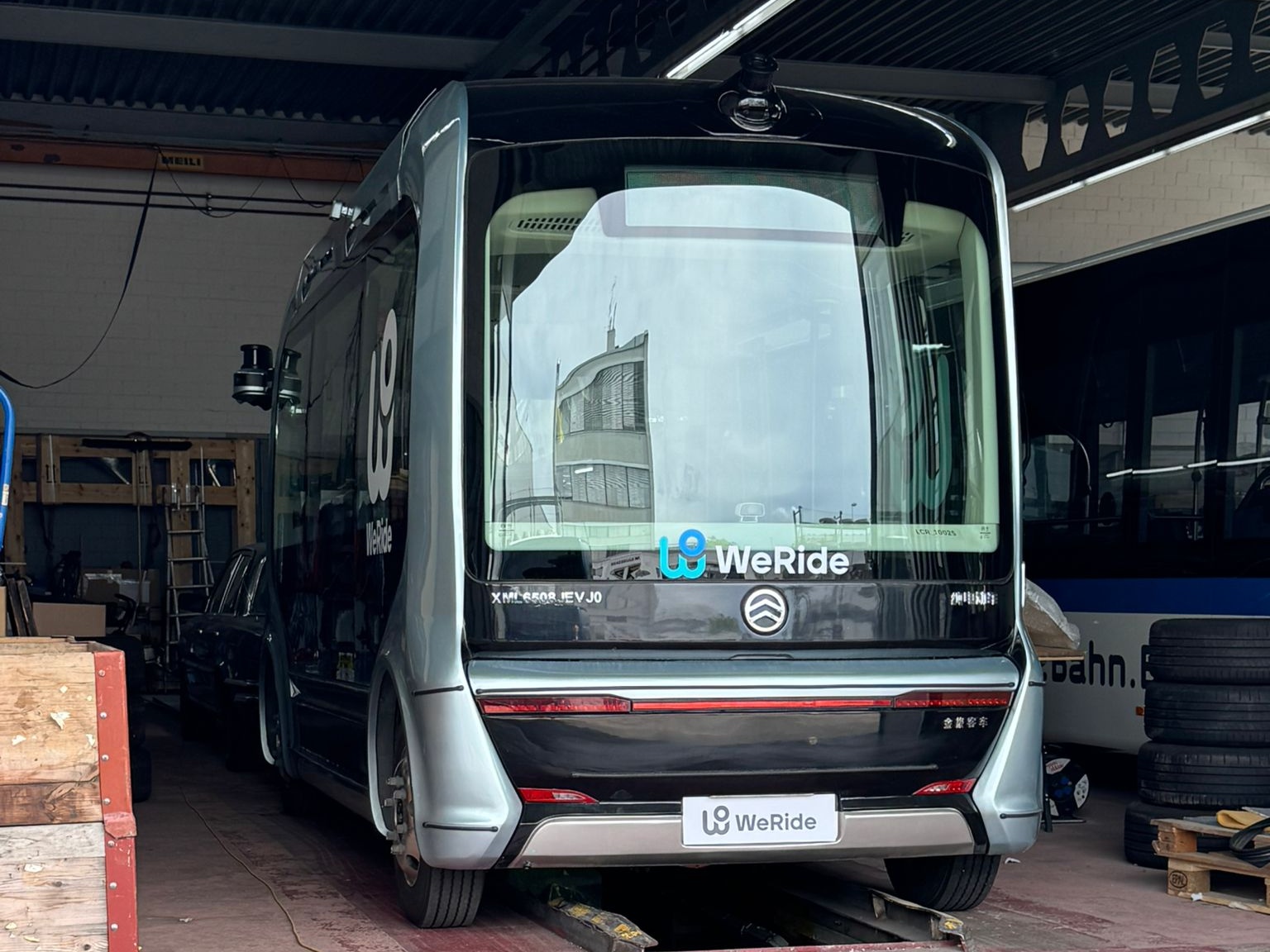
Swiss Experience Highlights the Importance of an Integration
The development of Automated Driving Systems (ADS) follows the principles of systems engineering and the V-model, beginning with the definition of the Operational Design Domain (ODD) and safety requirements in accordance with ISO 26262 and ISO 21448. This is followed by system and E/E architecture design, sensor integration, and the development of functions for environmental perception, localisation and trajectory planning. The process concludes with comprehensive testing, verification and validation.
This approach reflects current best practice in the safety assessment of Automated Driving Systems (ADS). Modern methodologies, including the UNECE VMAD framework, the New Assessment/Test Method (NATM), and the ISO 3450x series of standards, no longer rely solely on on-road testing. Instead, safety is assessed through a combination of scenario-based simulations, Software-in-the-Loop (SiL), Hardware-in-the-Loop (HiL), Vehicle-in-the-Loop (ViL), proving ground testing, and limited testing under real-world conditions. The objective is to build a sufficiently robust safety case for the entire automated system within its approved Operational Design Domain (ODD).
A common feature of all the pilot projects presented was their strong emphasis on validation and safety. Swiss experience demonstrates that simulations and laboratory testing alone are not sufficient. It is only under real operating conditions that unpredictable situations, interactions with other road users, and edge-case scenarios emerge – factors that ultimately determine the safety and operational reliability of autonomous systems. Teleoperation and remote supervision also play a significant role. Human operators remain an integral part of the safety architecture, helping to manage non-routine situations that autonomous systems may not always be able to handle independently.
“What impressed us most was the way Switzerland seamlessly integrates technology development with real-world validation. The decisive factor will be the ability to integrate simulations, digital twins, testing infrastructure and real-world operation into a single, coherent framework,” says Jan Ritter of AUREL, a member of the Czech delegation.
AUREL Proving Ground Is Ready for the Challenges of Autonomous Mobility
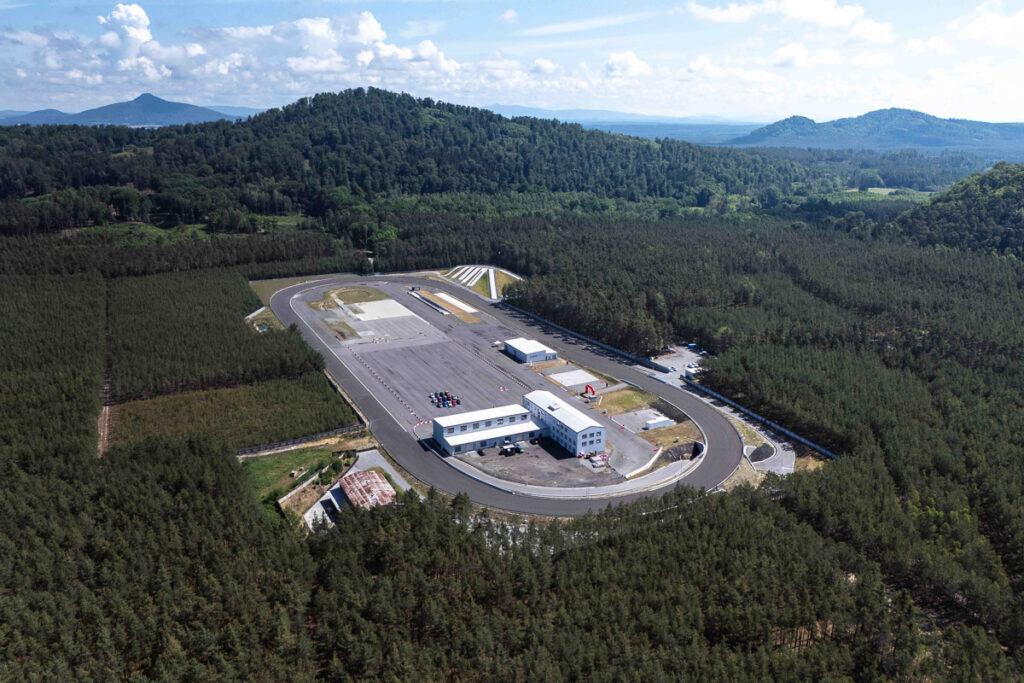
This integrated approach is exactly what we are developing at AUREL. AUREL Proving Ground in Břehyně near Doksy brings everything together in one place – a modern physical testing infrastructure, a digital twin, virtual vehicle models, simulation tools, and a developing 5G campus designed to support advanced testing of autonomous mobility and the remote supervision of vehicles.
This enables the safe validation of critical scenarios, vehicle responses and system behaviour in situations that are difficult or unsafe to test directly under normal traffic conditions. The controlled proving ground provides a controlled environment for comparing simulation results with the actual behaviour of vehicles and for the progressive calibration of models before deployment on public roads.
Experience from Switzerland confirms that the future of autonomous mobility depends on the integration of technologies, testing infrastructure and real-world operation. AUREL is following the same path by building a modern testing ecosystem and fostering collaboration between industry and research organisations. The visit to Switzerland was therefore not only a source of inspiration, but also a confirmation that the path we have chosen is aligned with the trends shaping the future of intelligent mobility in Europe.
Autonomous mobility requires reliable data, repeatable testing and a safe validation environment. Contact us to discuss how we can support your development and validation of future mobility technologies.